By Ola Martin Fjeld
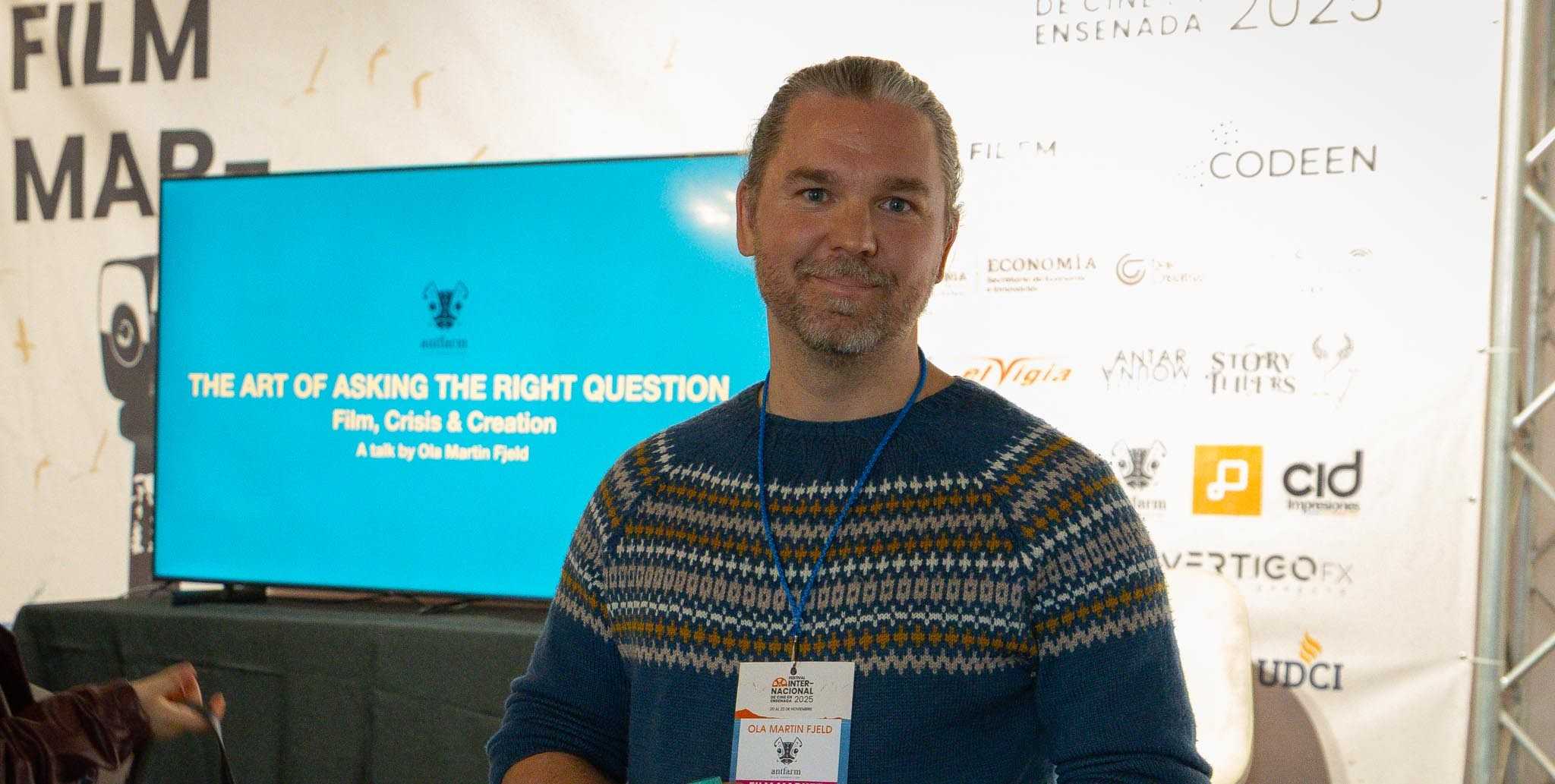
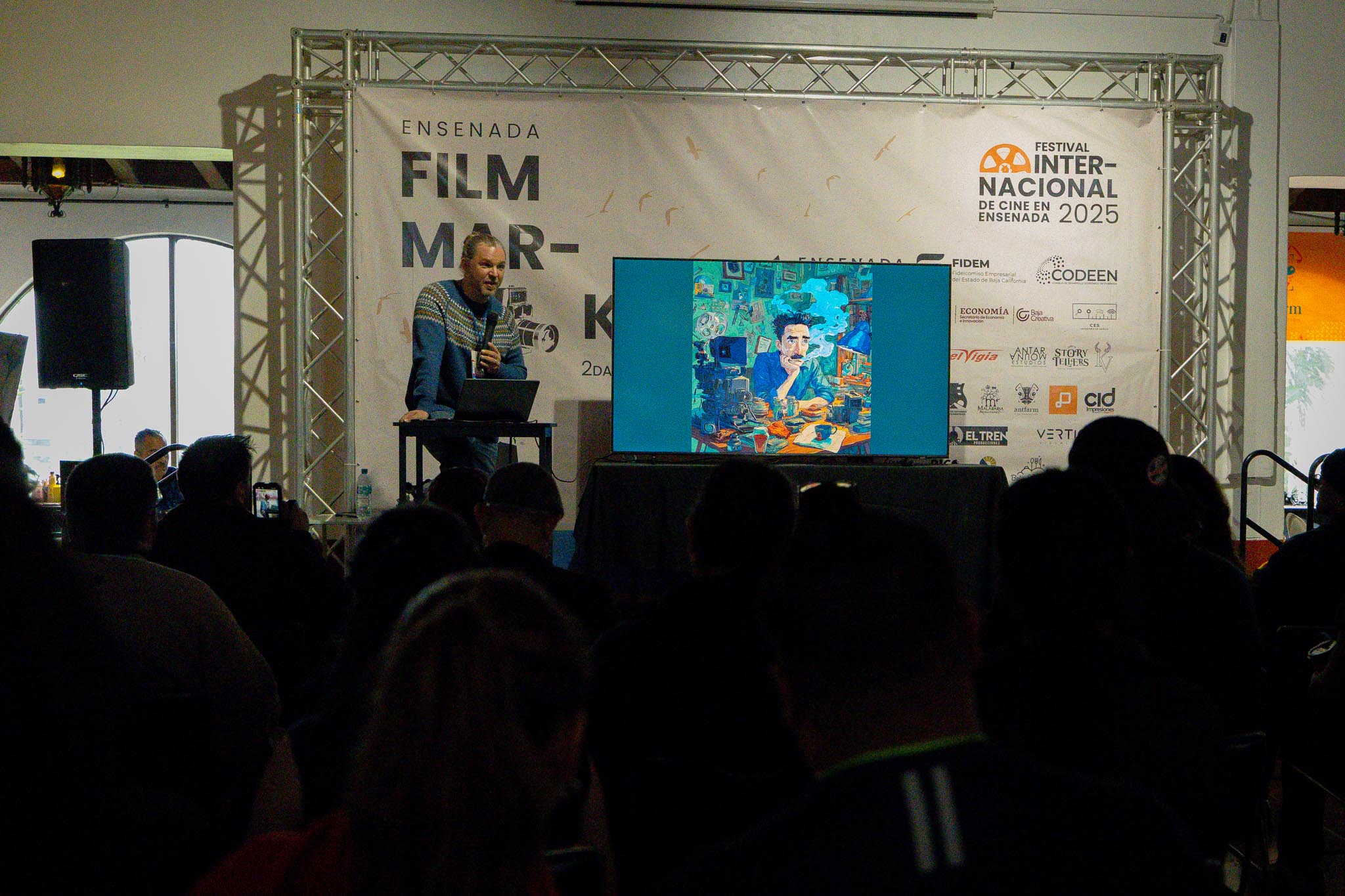
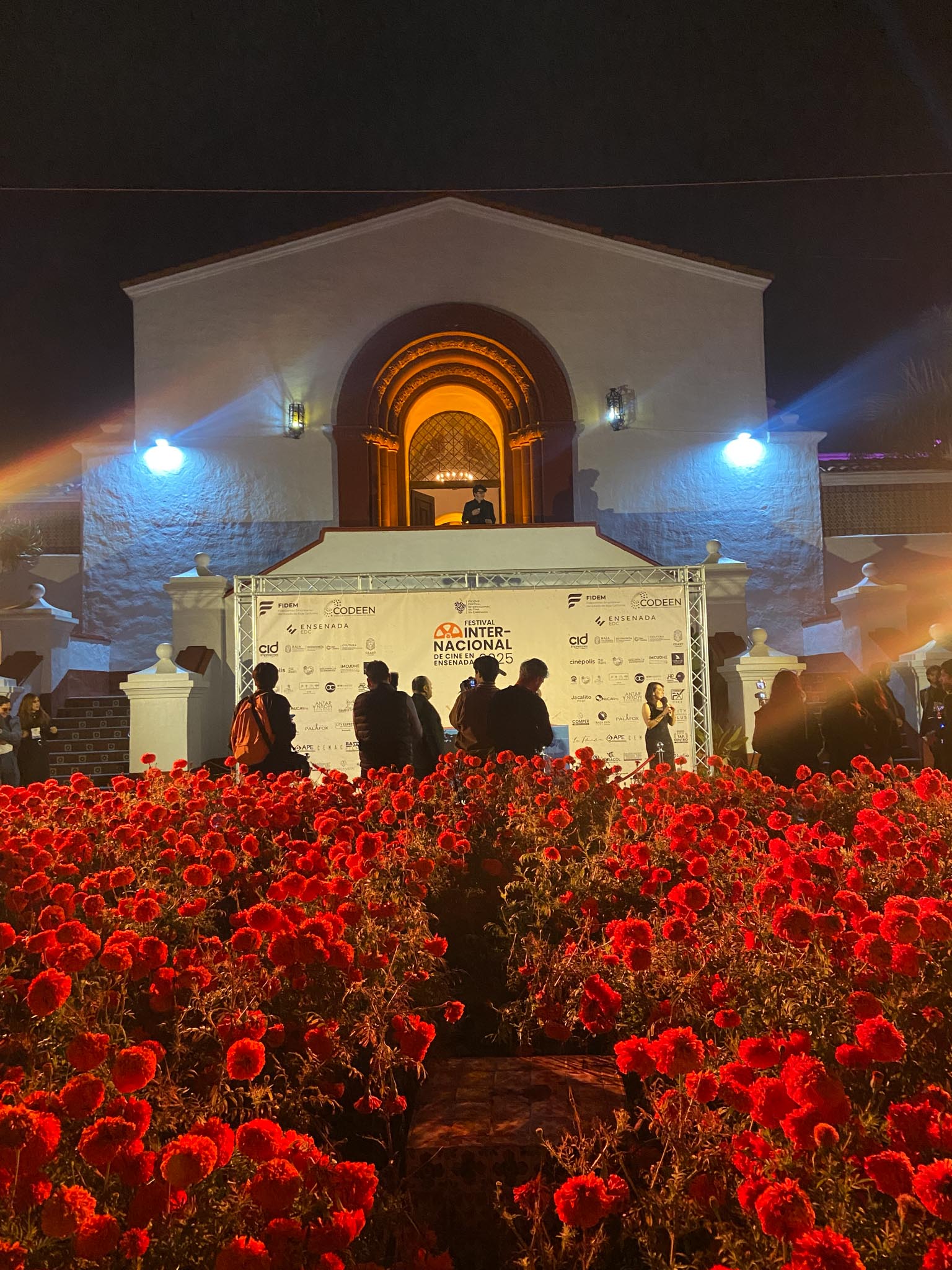
This article is based on a talk titled “The Art of Asking the Right Questions” Ola Martin Fjeld delivered to the Ensenada International Film Festival 2025.
Every film starts with a problem, not necessarily a practical one, but something that feels essential. It could be a feeling of tension, a sensation, or a question that just won’t leave you alone.
You may not even know what it is at first because it could be buried inside a seemingly unimportant prop, a song with a hidden meaning, or a bit of dialogue that makes sense later on. But it’s there even if it is unknown; it’s what the story is trying to figure out.
We like to think of filmmaking as an act of vision and control: your script, plan, team, and calendar help you move from idea to execution in a straight line. But that’s not really how it works. Making a film is more like walking into a dense fog. You have a compass and instincts. But you also have to be willing to get lost, because when the map disappears, all you have is your ability to ask the right questions.
The Work Of A Filmmaker Begins With Questions
If I had all the answers, there wouldn’t be a point in making movies. Some of the most common questions I begin my work with include:
- What is this moment actually about?
- Why do I care?
- Why should the audience care?
- Am I leaning into the truth of the scene or am I just copying something I’ve seen before?
- Is this uncomfortable for the right reasons or just because I don’t know how to solve it?
These questions come up from my first brainstorming sessions to the finishing editing touches. They help me maintain a fresh perspective and keep me searching for the moments of truth that make a great film.
Lessons From the Unknown
Crisis in this process isn’t the enemy, it’s the teacher. The moment something breaks down, when the actor can’t connect, the scene falls flat, or the production plan collapses, that’s when you find out what the film needs.
Not what you imagined, wrote, storyboarded or rehearsed, but what it truly needs. The pressure of creating in the moment reveals that, stripping away control and forcing you to listen.
That’s why I lean into the difficult moments and observe what they are teaching me. When a scene refuses to come together and the team feels down, that’s the moment to stop, breathe, and ask a better question.
Three Kinds of Problems
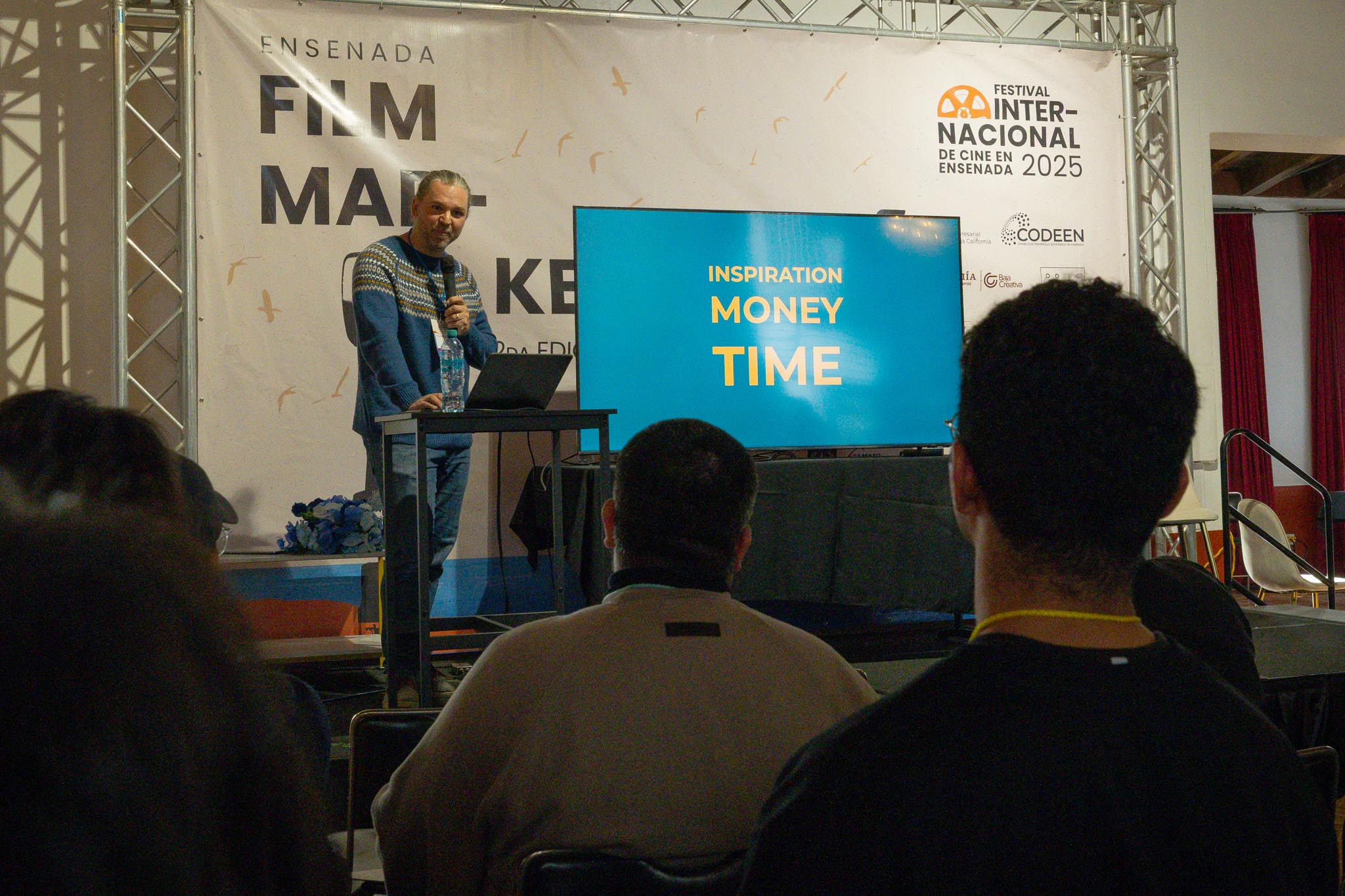
In my experience, most problems in film production fall into three categories:
- Inspiration
- Money
- Time
Almost every challenge eventually reveals itself as one of these, not a combination of them. And when something feels unsolvable, it’s because I haven’t gone deep enough yet. What looks like a scheduling problem may actually be a creative one. What feels like a lack of resources might really be a lack of clarity.
The solution isn’t always to ask for more time or more money. Sometimes the real work is finding inspiration — seeing the scene, the story, or the message from a new angle. Peeling away what’s unnecessary until you reach something honest and essential. And when you feel it in your gut, when you know the scene truly needs to be made in a certain way, then it becomes a practical issue. Then you can ask for more time, negotiate a budget, or ask your team for a favor.
Because once you understand why something matters, you can explain it. And when people understand the why, a no can turn into a yes.
There Is No Right Answer
Asking the right question in filmmaking is like planting a seed for the art to grow. It’s not about having the answer, it’s about holding space for doubt and trusting that if you’re honest with yourself the film will reveal itself.
Not all at once or in four count beats. But slowly through observing during screenwriting, rehearsal, rewriting, and watching the same take over and over until one misspoken line or distracted glance suddenly feels alive. And you know, yes, that’s true, now the question makes sense.
Of course, you can’t rush, force, or fake it. You must prepare, do your homework and stay open for when it arrives. Because film is alive, breathing, and growing in the minds of all its viewers. The script is not the final word, it’s the first clue. The shoot is not the assembly, it’s the excavation. The edit is not the destination, it’s deep listening. The more you stay curious, the more you’ll discover.
Navigating Towards the Truth
Most people believe the director’s job is to have a clear vision and execute it. That’s part of it. But for me the real job is to keep listening and steering the project through a current of accidents and miracles.
I stay awake, ready to adapt and find the best path towards the film’s destination. To guide everyone through the fog without pretending I’ve got a GPS.
Because sometimes the most powerful scene is the one that wasn’t planned, the truest performance is the one that breaks the rules, and the film grows better than you imagined.
Arriving & Wanting More
In our results driven world budgets, deadlines, and markets all push you toward answers. But film isn’t made of answers. It’s made of questions.
The best ones never fully resolve. They linger and echo, leaving your brain with something tasty to chew on before asking more questions.
That’s why I keep making films. Not to say something definitive but to stay in conversation with the world, myself and everything I still don’t understand.
Keep Searching
If there’s one lesson I try to share it’s to ask better questions. Especially when things fall apart. Especially when you’re stuck. Especially when you feel like you’re failing. That’s where the good stuff lives. Not in perfection but in presence. In listening. In the courage to not know.
Because without a problem there’s no story. Without resistance there’s no change. And without a question there’s nothing to make us look closer, feel deeper, or care.
That’s what cinema is to me: A mirror, a mystery, and a question worth asking.